
Creating a peaceful and quiet environment at home can greatly improve your comfort, concentration, and overall well-being. Whether you live in a busy city apartment or a house near a lively street, noise can often disrupt your daily life. The good news is, there are simple and affordable ways to reduce noise inside your home without major renovations. In this post, we’ll explore practical tips and ideas to help you enjoy a calmer, quieter living space.
Understanding Noise Sources in Your Home
Before tackling noise reduction, it’s helpful to identify where the noise is coming from. Common sources include:
– Traffic sounds or street noise
– Noisy neighbors or pets
– Household appliances like washing machines or HVAC units
– Echoes or sound traveling through thin walls and floors
– Outdoor activities such as lawn mowing or children playing
Knowing your main sources makes it easier to apply the right noise-reducing strategies.
Simple Noise Reduction Tips You Can Try Today
1. Use Soft Furnishings to Absorb Sound
Hard surfaces reflect sound waves, making rooms noisier. Soft materials help absorb sound, reducing echoes and muffling noise.
– Add rugs or carpets: They cushion footsteps and lower noise from hard floors.
– Hang thick curtains: Heavy fabrics help block outside noise through windows.
– Use upholstered furniture: Sofas, cushions, and fabric chairs absorb sound better than leather or wood.
These inexpensive additions make an immediate difference.
2. Seal Gaps and Cracks
Noise can sneak into your home through tiny gaps and cracks around doors, windows, and walls.
– Check and weatherstrip doors and windows: Installing weather stripping or door sweeps can seal gaps and reduce sound leakage.
– Use caulk to seal cracks: Small cracks in walls or window frames can be sealed with caulk to minimize noise entry.
– Consider draft blockers: Placing draft stoppers at the base of doors prevents sound from traveling beneath.
A well-sealed home is quieter and more energy-efficient too.
3. Rearrange Your Furniture Strategically
Believe it or not, furniture placement can impact sound flow within a room.
– Place bookshelves against shared walls: Filled bookshelves act as extra insulation against noise from neighbors.
– Use large furniture near noisy areas: Sofas and cabinets near windows or walls help absorb sound.
This trick works well in apartments where you can’t modify the walls.
4. Incorporate Plants for Sound Absorption
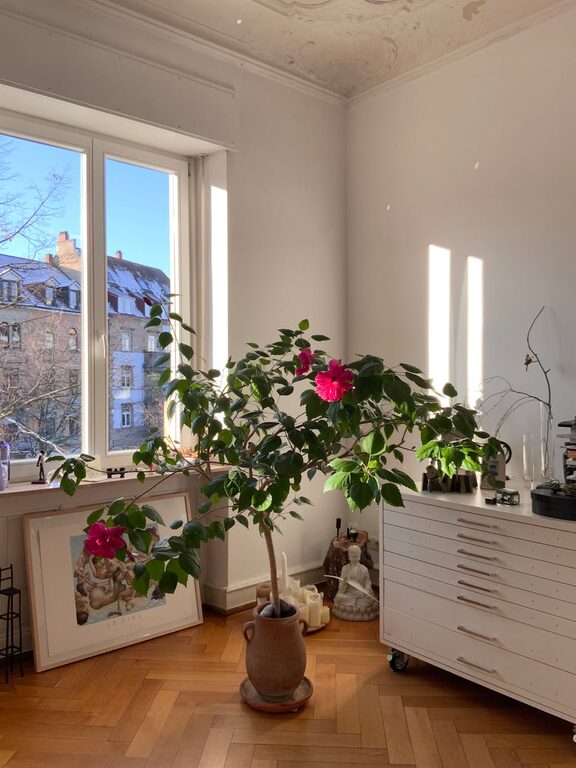
Indoor plants aren’t just for decoration—they can help reduce noise levels.
– Use large leafed or dense plants: Their leaves and stems absorb and diffract sound.
– Create plant clusters: Grouping plants in noisy corners enhances their sound-reducing effect.
Plus, plants improve air quality and add a refreshing touch to your home.
Advanced Ideas for Noise Control
If noise persists despite simple measures, here are some additional options to consider:
1. Install Acoustic Panels or Wall Hangings
Acoustic panels are designed to reduce sound reflections within a room.
– DIY or purchase pre-made panels: Fabric-covered or foam panels can be mounted on walls.
– Use decorative tapestries or quilts: Thick textiles hung on walls also help absorb sound.
These solutions improve room acoustics and are popular in home offices or studios.
2. Upgrade to Double-Glazed Windows
Replacing single-pane windows with double-glazed ones is highly effective for blocking outdoor noise.
– Better insulation: Double glazing offers an extra barrier for sound and temperature control.
– Professional installation recommended: Proper fitting ensures maximum noise reduction.
Though costlier than other methods, this upgrade significantly lowers street noise.
3. Add Door Soundproofing
Doors often let in noise from hallways or adjacent rooms.
– Use solid core doors: They block sound better than hollow ones.
– Apply soundproofing strips: Foam or rubber strips reduce sound leaks around door frames.
– Install door sweeps: These block gaps underneath doors where noise travels.
This approach is especially helpful in shared living situations.
Tips for Maintaining a Quiet Home Environment
Once you’ve taken steps to reduce noise, maintaining a calm atmosphere daily is important.
– Establish quiet hours: Especially in shared homes, agree on times for low noise.
– Turn down appliance volume: Use quieter settings on washing machines and dishwashers if possible.
– Limit noisy electronics: Use headphones or mute devices to reduce distraction.
– Close windows during peak noise: This helps keep external sounds at bay during busy hours.
Adopting good habits complements physical noise control methods.
Final Thoughts
Reducing noise at home doesn’t require expensive renovations or complex installations. By adding soft furnishings, sealing gaps, arranging furniture wisely, and incorporating plants, you can make a meaningful difference. For tougher noise challenges, acoustic panels, double glazing, and door treatments can help create a serene and comfortable living space. With these straightforward steps, you’ll enjoy more peaceful moments at home, whether working, relaxing, or spending time with family.
Do you have any noise reduction tips that work well in your home? Share your ideas in the comments below!
